Resolve deflashing questions from the part, machine and process.

Practical answers for initial media selection and sample evaluation across cryogenic deflashing, nylon blasting and moulded-part deburring.

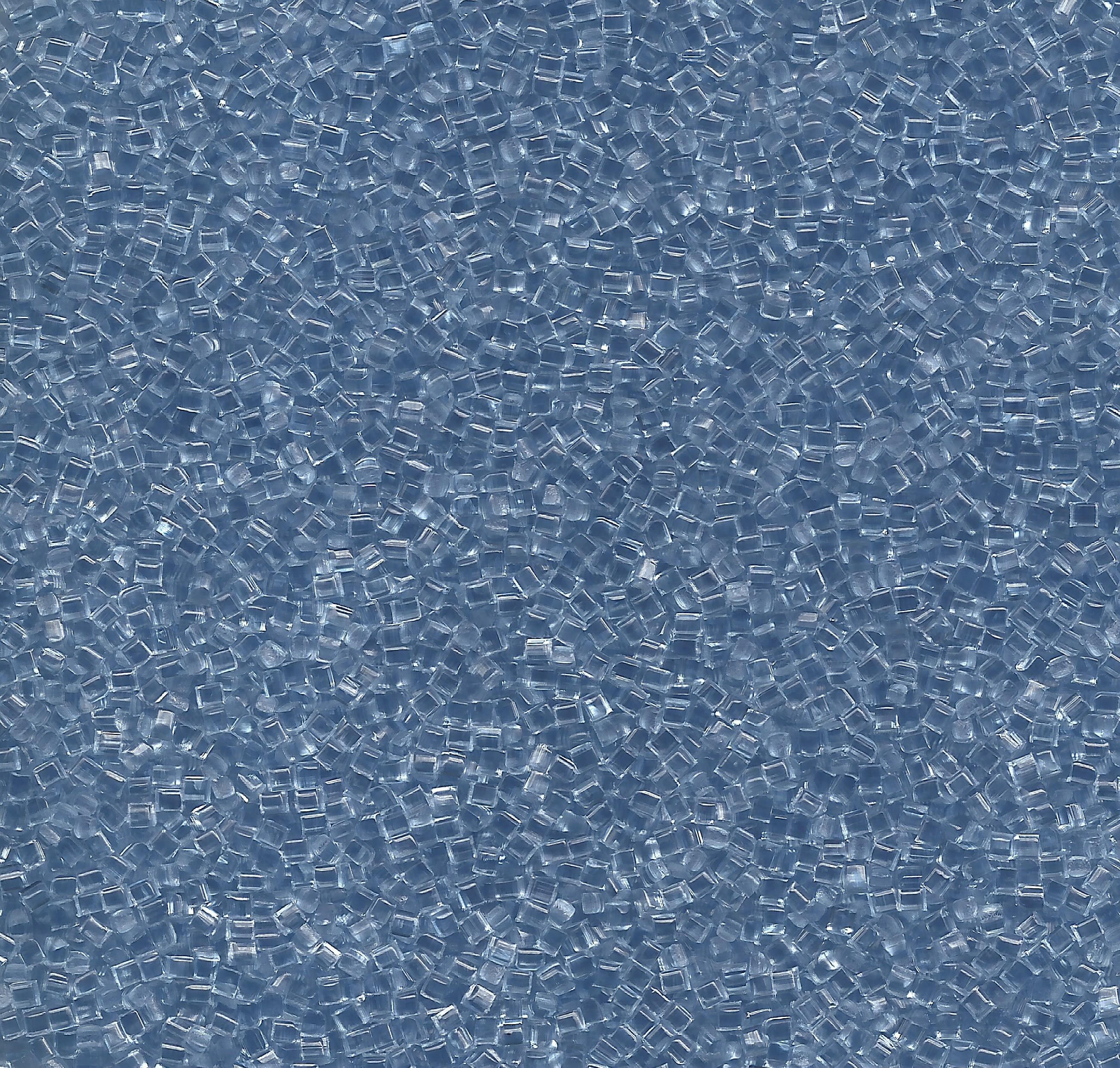
Blue translucent cryogenic deflashing media
01

How should cryogenic deflashing media be selected?

Select media by considering the part material, flash thickness, equipment temperature, blast intensity and required surface finish. Confirm the process first, then narrow the test range by size, shape and wear performance.

Read answer
02

How should cryogenic deflashing media size be determined?

There is no universal size independent of the part and machine. Fine features usually start with smaller media, while thicker flash may need more impact energy. Surface marks, media circulation and machine stability must be checked together.

Read answer
03

What media should be used to remove flash from rubber parts?

Rubber flash is commonly embrittled in a liquid-nitrogen environment and removed with low-temperature, impact-resistant cryogenic media. The media must remove the flash without damaging sealing faces, fine lips or the body of the part.

Read answer
04

How are moulded plastic parts cryogenically deflashed?

Suitability depends on the polymer, flash location and the low-temperature toughness of the part. Cryogenic media can remove thin embrittled flash, while nylon or PA media are more commonly used for ambient blast deburring.

Read answer
05

Which deburring processes suit nylon and PA media?

Nylon and PA media are abrasion-resistant, low-dust polymer blast media used for ambient deburring of bakelite, thermosets, glass-filled plastics and selected alloy parts. They are not a direct substitute for every liquid-nitrogen deflashing process.

Read answer
06

What blast media is used for liquid-nitrogen deflashing?

Liquid nitrogen rapidly embrittles the flash, while blast media provide the mechanical impact. The media must retain effective strength and dimensional stability at low temperature, with size and shape selected for the part geometry.

Read answer
07

When should cryogenic deflashing media be replaced?

There is no universal replacement interval. Assess size loss, dust, media consumption, longer cycle time and changes in yield, while also checking the machine separation and recovery systems.

Read answer
08

Can cryogenic deflashing remove flash, burrs and gates?

Cryogenic deflashing is generally best for thin flash that embrittles before the part body. Thick gates, ductile connections and features near functional surfaces need separate validation and cannot always be solved by increasing blast intensity.

Read answer

Could not find your question?

Share the part material, flash location, machine and current media so we can help define the next step.